
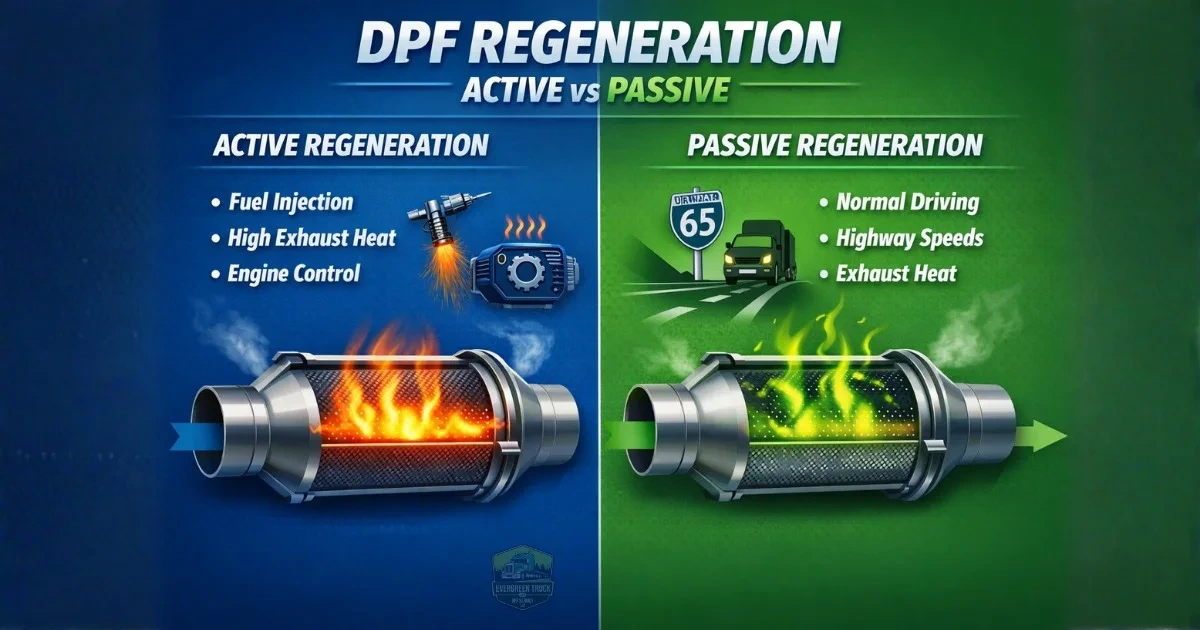
Understanding DPF Regeneration: Active vs Passive
Modern diesel engines rely on a device called a Diesel Particulate Filter (DPF) to trap harmful soot before it leaves the exhaust pipe. Over time, this soot builds up inside the filter. If it’s not cleared out, it can cause loss of power, poor fuel economy, and even engine damage.
To prevent this, the DPF needs to regenerate—in simple words, burn off the collected soot and turn it into harmless ash. This process is known as DPF regeneration, and it happens in two ways:
✅ Passive regeneration
✅ Active regeneration
Let’s break them down in a way that’s easy to follow.
What Is Passive DPF Regeneration?
Passive regeneration happens naturally while you drive. When the exhaust becomes hot enough, usually at highway speeds the trapped soot burns away on its own.
When does passive regen occur?
Driving on open roads or highways
Continuous speeds that keep the exhaust hot
Typically, at temperatures above 250–350°C
Benefits of passive regeneration
No fuel is wasted
No extra engine load
Happens quietly in the background
Least impact on the vehicle and driver
Downside
Drivers who mostly do short trips or city driving may not reach the required temperature, which stops passive regeneration from happening regularly.
What Is Active DPF Regeneration?
Active regeneration kicks in when passive regeneration isn’t enough. This is a computer‑controlled process where the engine raises the exhaust temperature on purpose to burn off the soot.
How does the engine increase heat?
The system may:
Inject a small amount of extra fuel into the exhaust
Adjust timing or airflow
Use a diesel oxidation catalyst to generate heat
Typical temperature needed: 550–600°C
When does active regen start?
When soot load reaches a set limit (often 45–70%)
When the vehicle has had too many short trips
When exhaust temperature stays low for too long
Signs of active regeneration
You may notice:
Slight increase in idle speed
Higher fuel consumption
Cooling fans running longer
Hot exhaust smell
DPF light turning off after the process completes
Downside
Uses extra fuel
If interrupted repeatedly (for example, you turn the engine off), it can cause DPF clogging
Why DPF Regeneration Matters
If regeneration doesn’t happen successfully, soot builds up and the filter becomes blocked. A severely clogged DPF can lead to:
Reduced power
Higher engine temperature
Limp mode
Costly repairs or replacement
This is why it’s important to let the regeneration complete, especially if you frequently drive at low speeds.
Tips to Keep Your DPF Healthy
Here are some simple habits that help your vehicle regenerate properly:
Take your diesel vehicle for a 15–20-minute highway drive once in a while.
Avoid stopping the engine during an active regen cycle.
Use good‑quality diesel and engine oil.
Pay attention to dashboard warnings.
Don’t ignore repeated DPF warning lights, get it checked.